
Who Does This Apply To?
If you're a director, CEO, COO, CFO, general manager, or any person who participates in making decisions that affect the whole or a substantial part of a transport business — this applies to you. The only exception is executives acting on an entirely voluntary, unpaid basis.
The Executive Duty applies to executives of any legal entity — including corporations, unincorporated partnerships, and unincorporated bodies — that is a party in the Chain of Responsibility for a heavy vehicle.
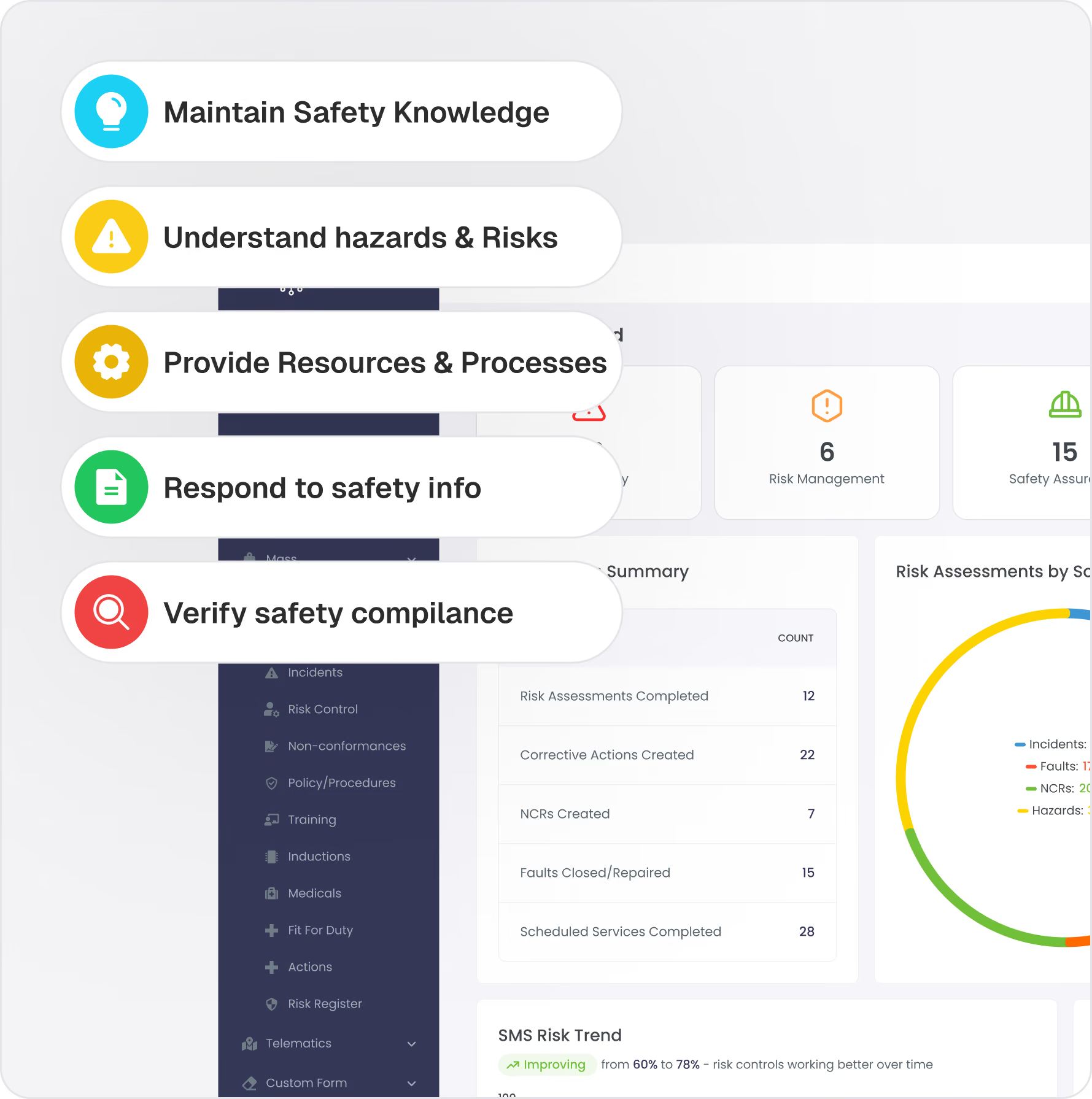
Under HVNL and the associated Master Code of Practice, exercising due diligence means taking proactive steps including:
- Acquiring and maintaining knowledge of safety and compliance matters
- Understanding the nature and operations of the business and the hazards and risks involved
- Ensuring the business has appropriate resources and processes to eliminate or minimise risks
- Ensuring the business has processes for receiving, considering, and responding to safety information
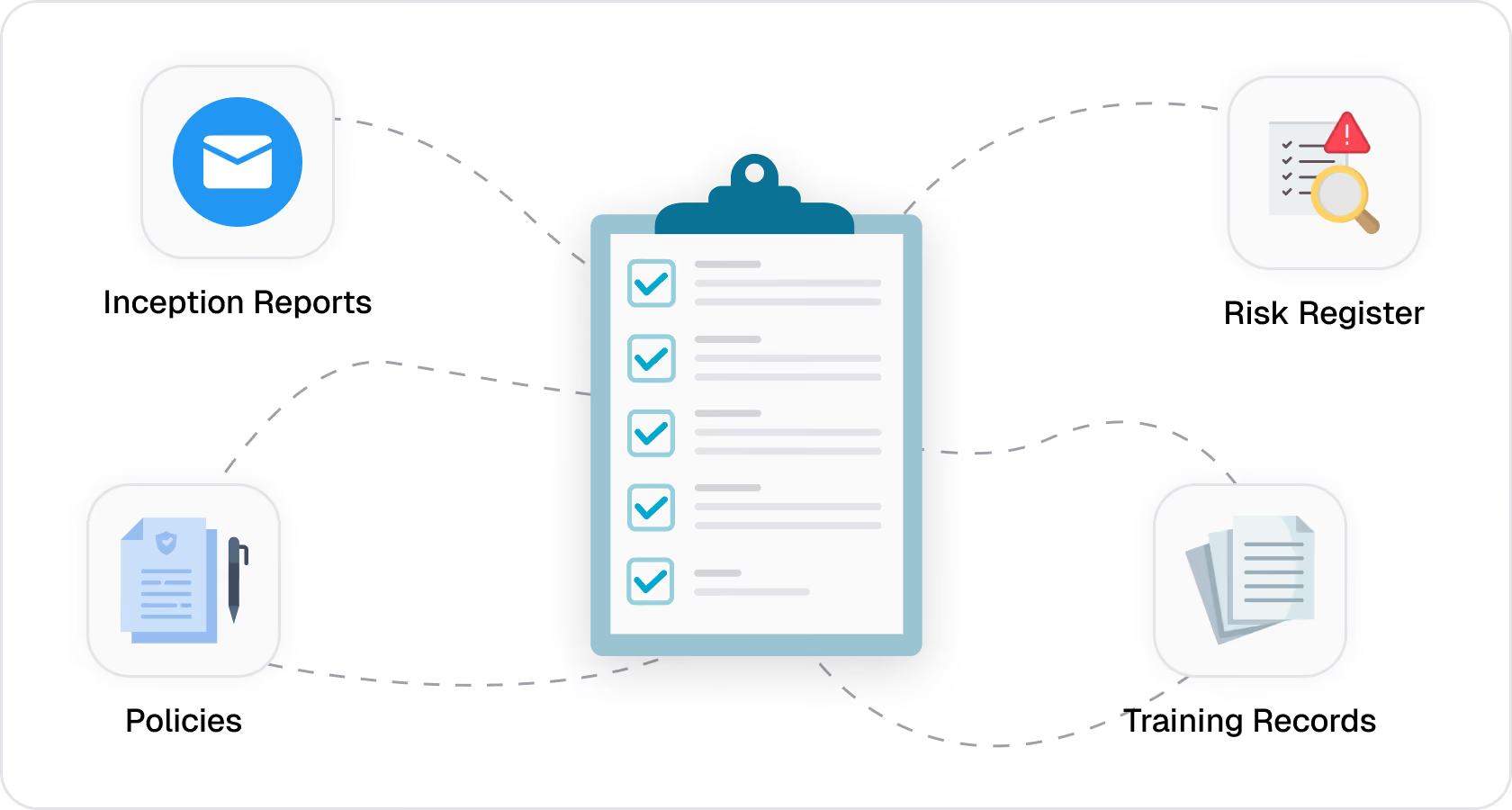
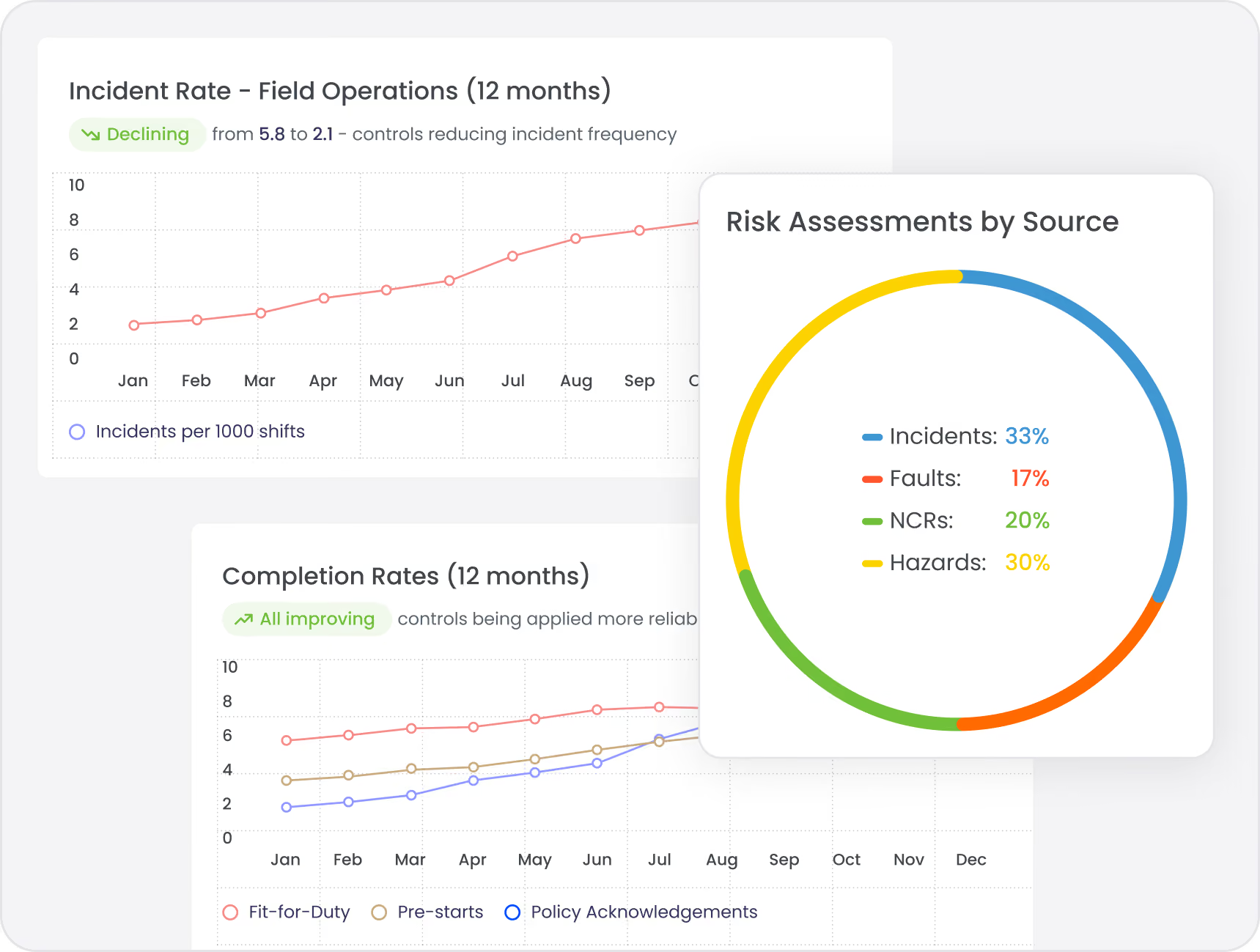
- Verifying that the above is actually happening — not just documented
Critically, it is the executive's failure to exercise due diligence — not the outcome of an incident — that constitutes the offence. You don't need a crash to be prosecuted. You need evidence that your systems are working, not just that they exist.