


Report from the Field
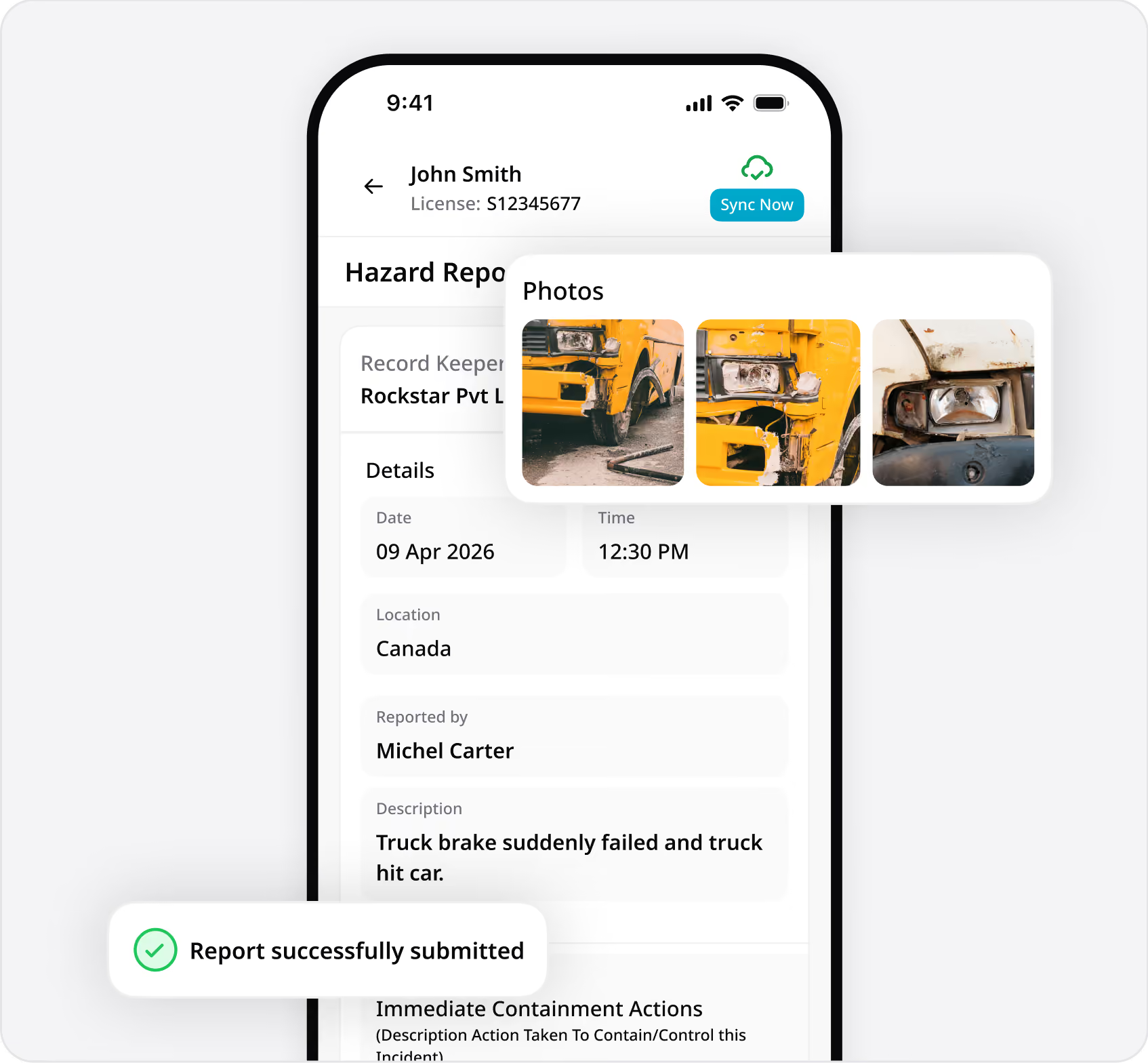
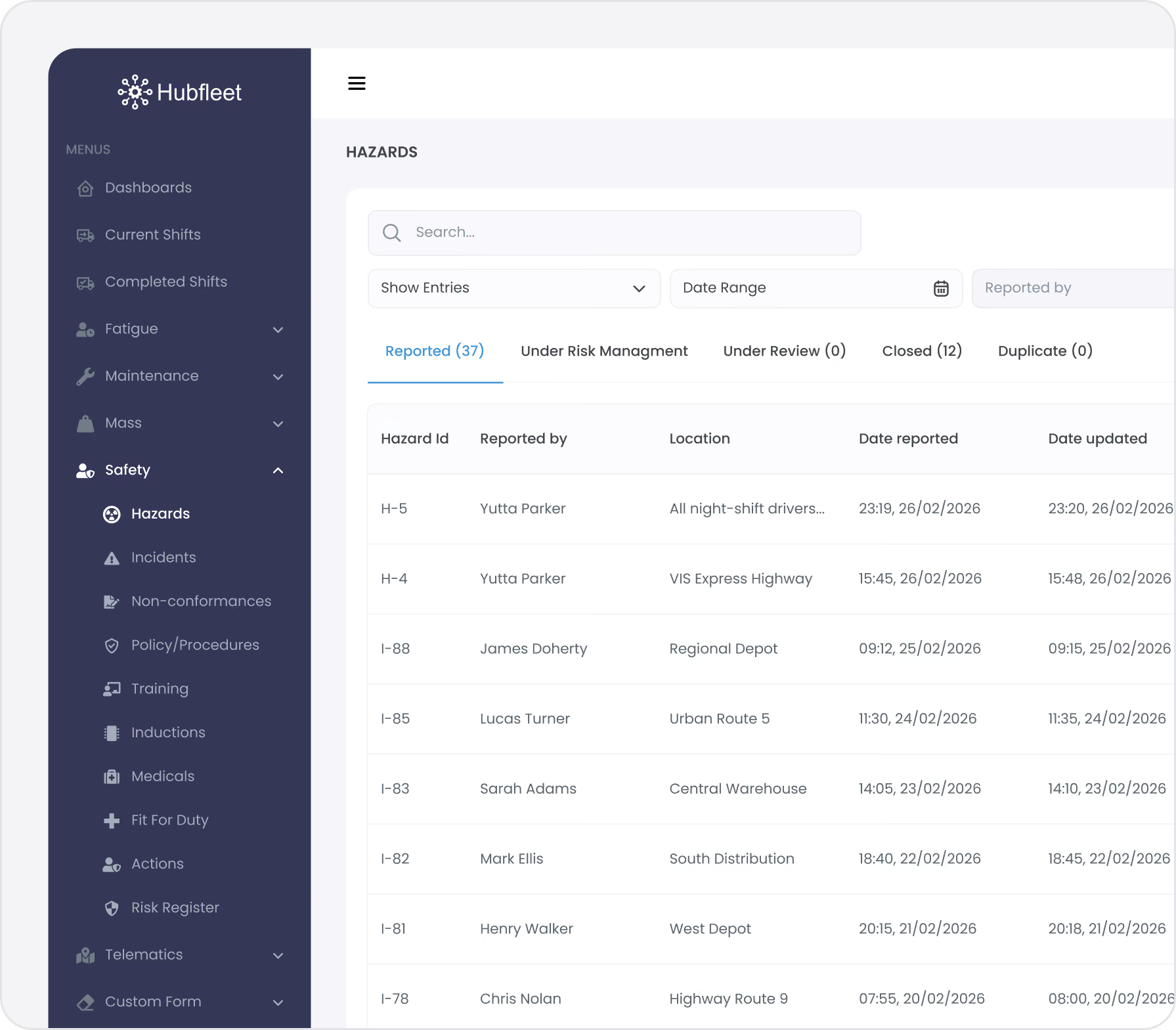
Drivers and staff report hazards directly from the Hubfleet mobile app — on the spot, while the observation is fresh.
What's captured:
- Photos — Document the hazard with one or more photos for context and evidence
- GPS location — Automatically tagged so managers know exactly where the hazard exists
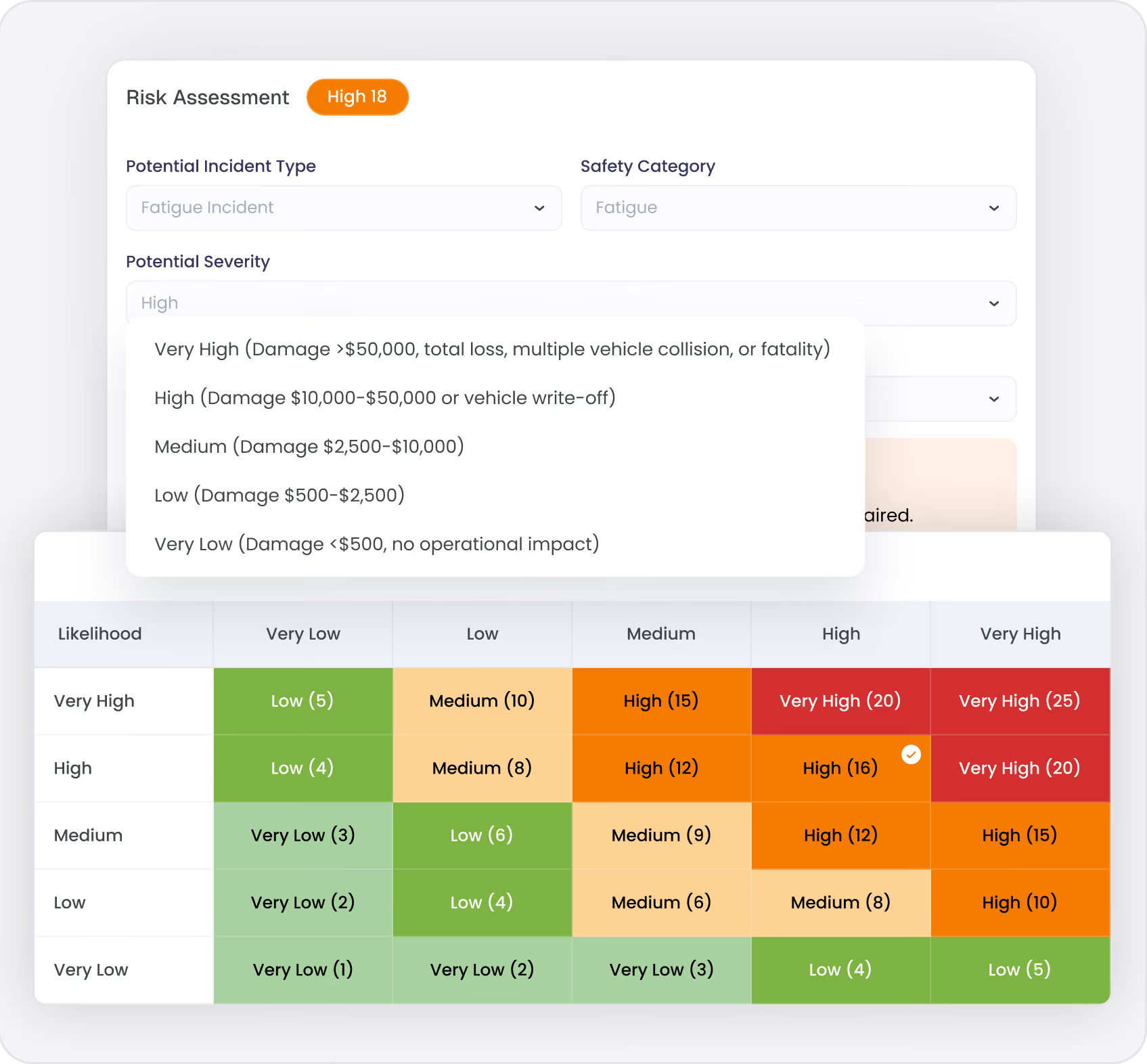
- Safety category — Fatigue, Maintenance, Mass & Dimension, or Safety
- Description — What was observed, what the risk is, and any immediate action take
Takes under 2 minutes.
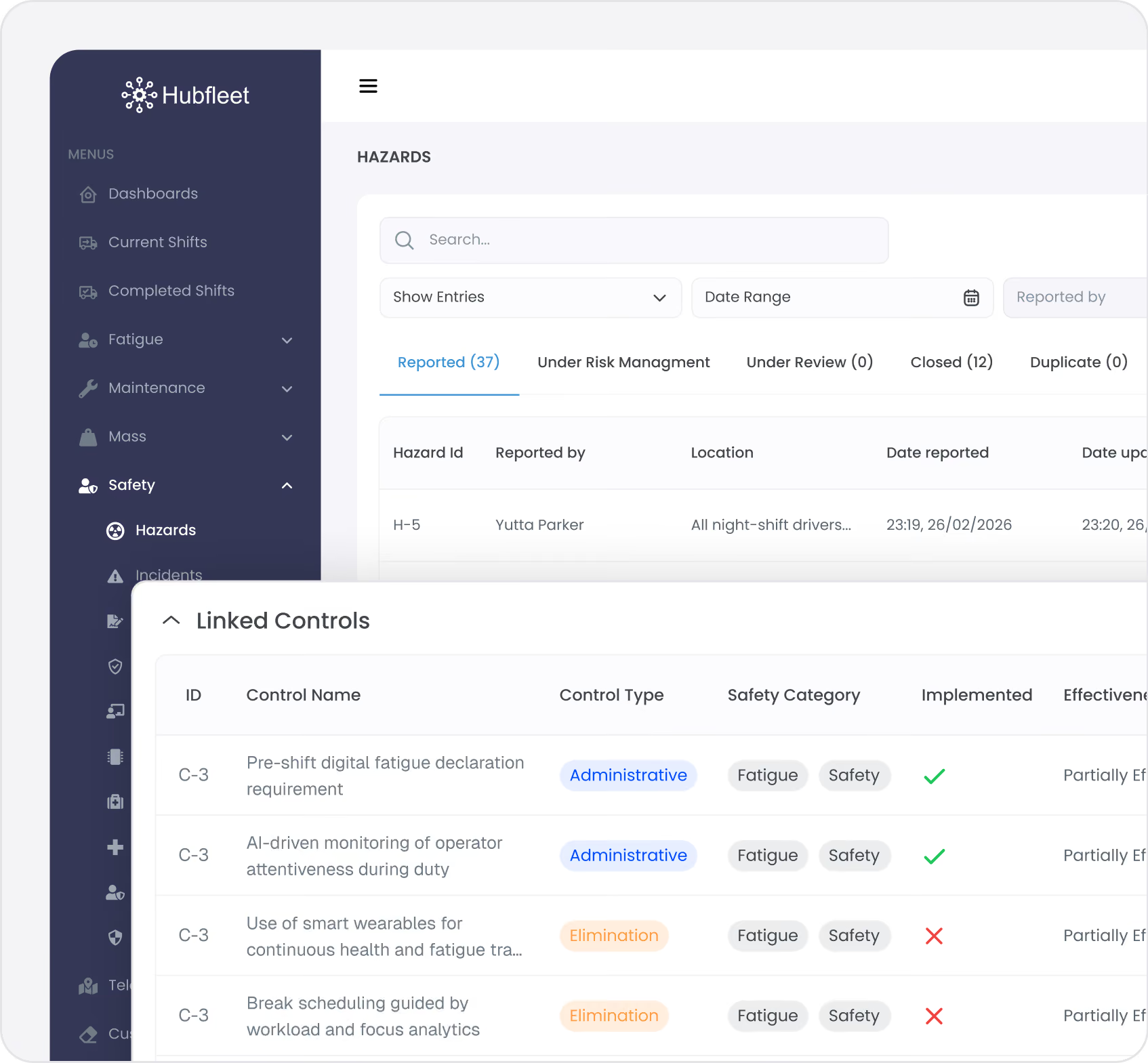
No paper forms, no waiting until end of shift, no relying on memory. Reports sync instantly to the web portal for manager triage.
Works offline
Drivers in remote areas can submit reports without connectivity. Data syncs automatically when connection is restored.